
Laboratory Guides — Hati Peptides
Practical methodology guides for peptide research laboratories. Reconstitution protocols, quality assurance standards, storage best practices, and compliance documentation for UK researchers.
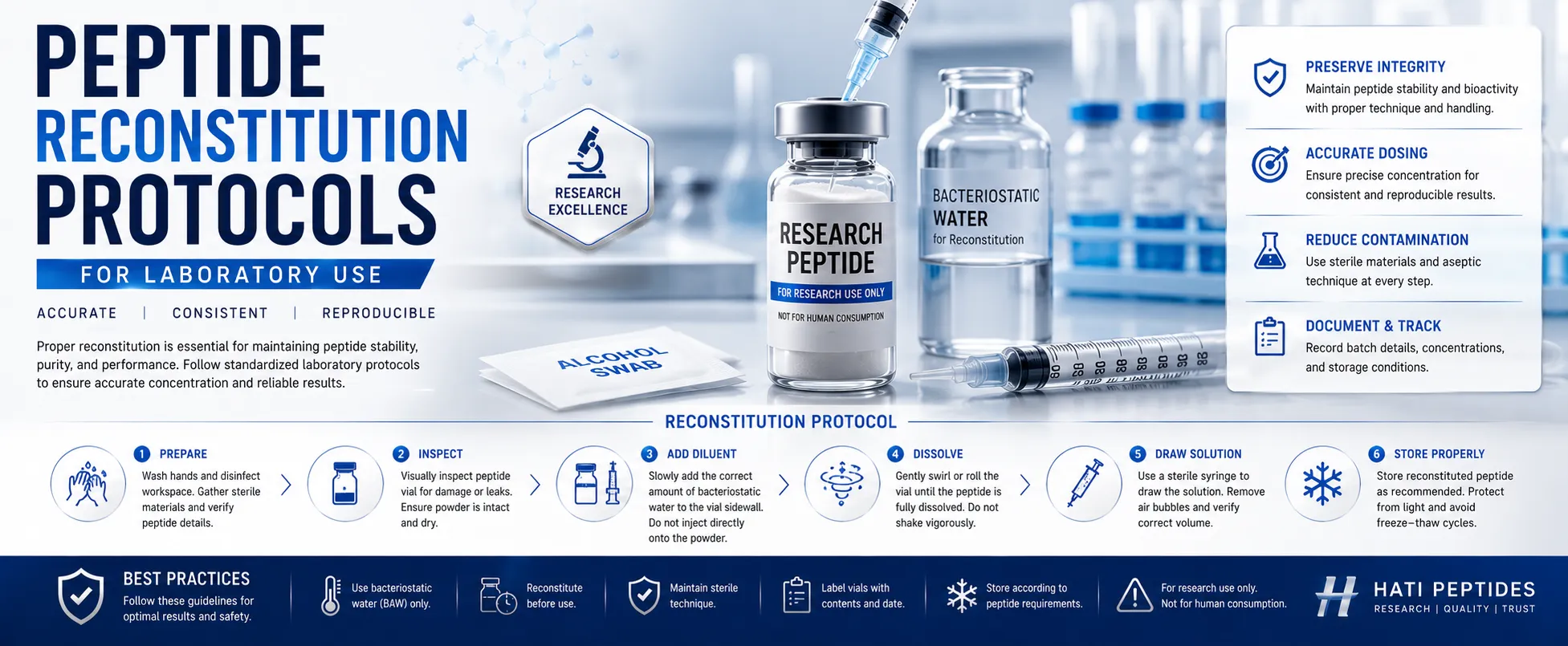
Peptide Reconstitution Protocols for Laboratory Use
Step-by-step reconstitution protocols for lyophilised peptides using bacteriostatic water. Covers concentration, mixing, and storage for research labs.
How to Read a Certificate of Analysis (CoA) for Research Peptides
Practical guide to interpreting Certificates of Analysis for peptide reference materials. Learn what HPLC, MS, and purity data mean for lab research.
Peptide Purity Grades Explained for Research Laboratories
Understand the differences between 95%, 98%, and 99% purity peptides. When each grade is appropriate for your model, and how to balance cost vs. experiment.
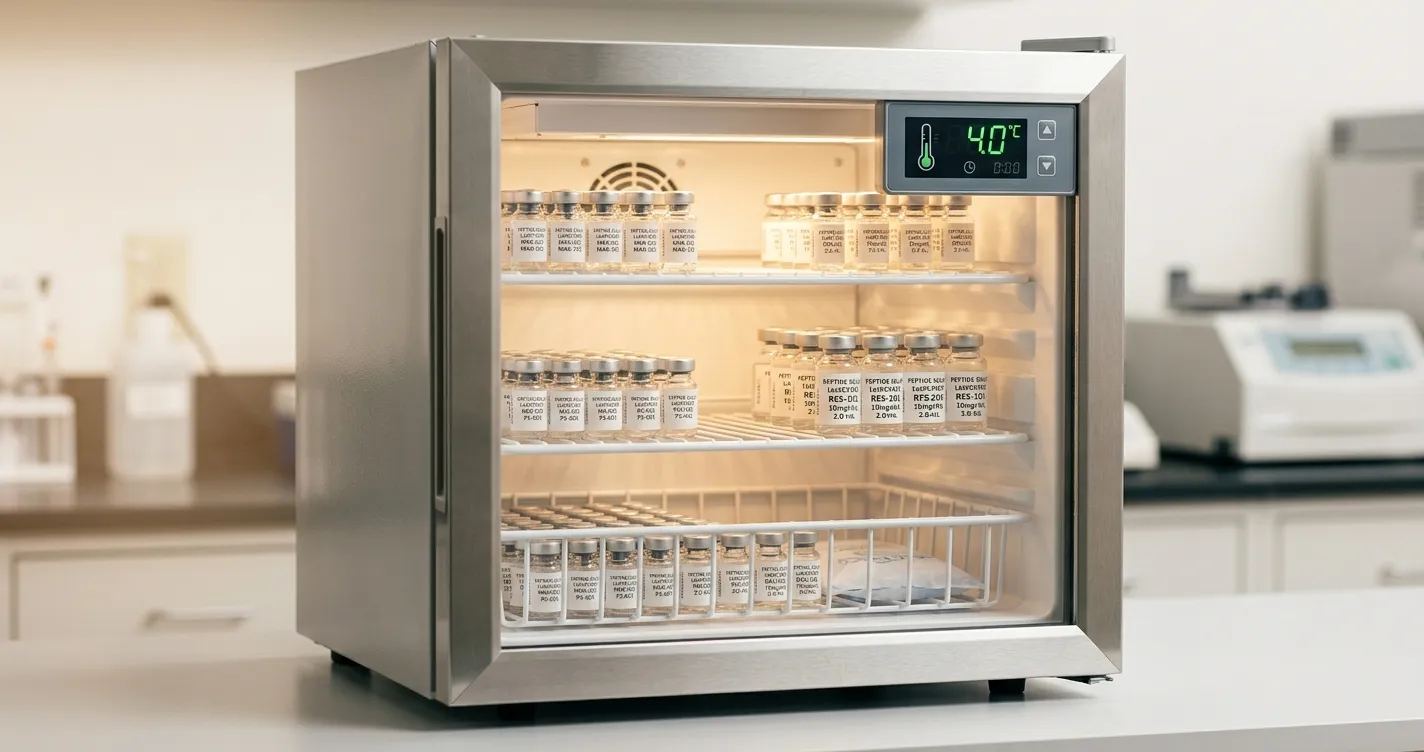
Peptide Storage and Handling Best Practices for Laboratories
How to store lyophilised and reconstituted peptides for maximum stability. Temperature, desiccation, light protection, and handling for research labs.
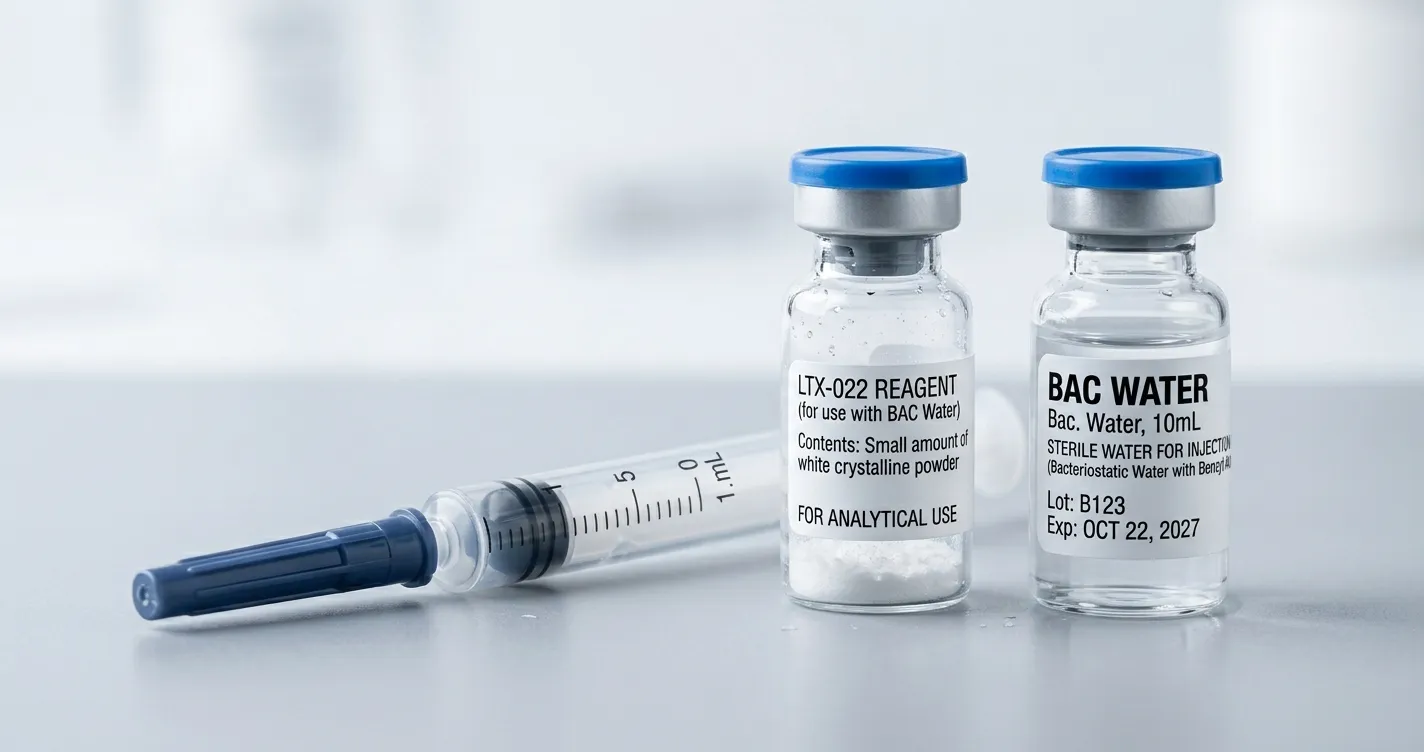
Bacteriostatic Water vs. Sterile Water vs. PBS for Peptide Research
Compare the three most common reconstitution media for research peptides. When to use BAC water, sterile water, or PBS in your laboratory.
Frequently Asked Questions — Research Peptide Reference Materials
General frequently asked questions about research peptides, UK legality, ordering, storage, and compliance. For laboratory and research use only.
What Are Research Peptides? A UK Laboratory Guide
Comprehensive guide to research peptides for UK laboratories. What they are, how they're synthesised, purity grades, applications, regulatory context.
Start with our Reconstitution Protocol guide, then review our CoA Interpretation Guide to ensure you're using the highest quality reference materials for your research.
All guides are for laboratory and in vitro research only. Not for human or animal consumption. Not a medicine, food, cosmetic, or dietary supplement.